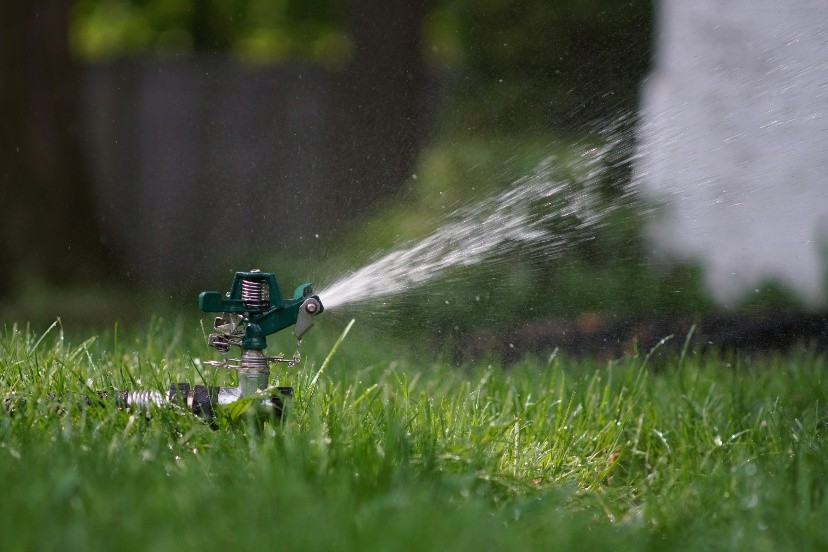


Which Soil Conditions Make Sprinkler Pipe Repair in Chino So Common?
Keeping your grass green takes a lot of hard work and water. But ground movement under your lawn can cause huge headaches out of nowhere. The dirt beneath your feet plays a big role in how well your underground lines hold up over time. Many local homeowners deal with broken lines without knowing that the dirt itself causes the mess. Understanding these local factors helps you save cash and protect your yard from big water bills. That is why sprinkler pipe repair in Chino is a super common job for local yards.
Dirt shifts and settles every single day without you ever noticing. Weather changes make the ground move around and squeeze your buried plastic lines. When the ground moves too much, your lines snap and flood your grass. You can avoid big trouble by keeping an eye on your yard and acting fast when wet spots pop up. Learning how your dirt acts gives you the upper hand against sudden line breaks. Let us dive into the dirt types that mess up your lines the most.
Dirty Secrets: Heavy Clay Makes Lines Snap
Clay dirt acts just like a giant sponge under your green lawn. It holds onto water for a long time and swells up when wet.
When hot summer sun dries the ground out, clay shrinks and cracks open. This constant back and forth puts crazy pressure on buried plastic pipes. Soon enough, that heavy stress snaps line joints and breaks your system completely.
Sandy Turf: How Shifting Ground Washes Lines Away
Sandy dirt drains water super fast, but it brings a totally different problem. Loose ground shifts around easily when heavy rain hits your yard.
Running water washes away the soft dirt right under your buried lines. Without solid ground underneath, heavy lines sag down and bend out of shape. That extra bending stress cracks glue joints and leaves you with big underground leaks.
|
Soil Type |
Water Holding |
Line Stress |
Main Danger |
|
Heavy Clay |
Very High |
High Squeeze |
Snaps joints |
|
Sandy Dirt |
Very Low |
High Washout |
Sags lines |
Rock and Roll: Rocks Grinding Away at Your Lines
Sharp rocks under your grass act like small knives against plastic lines. As dirt expands and shrinks, it rubs your lines directly against buried stones.
That constant rubbing creates tiny scratches all along the outside of the line. Over time, heavy water pressure turns those tiny scratches into full cracks. Plus, heavy rocks resting on top of lines can punch holes right through the plastic wall.
Salt in the Wound: Salty Dirt Eats Away Metal Connections
Dirt chemistry also controls how long your setup lasts underground. Local dirt often holds high levels of salty minerals that eat away at hard materials.
According to soil testing from the USDA Natural Resources Conservation Service, salty ground ruins metal valves and copper links fast. While plastic lines resist rust, metal fittings rot away in damp, salty dirt. That nasty rot causes slow leaks that wash away the ground around your system.
Smart Fixes: Beat the Dirt and Keep Water Flowing
You cannot change the dirt in your yard, but you can shield your lines. Using simple tricks when you lay lines down stops future breaks from happening.
Always surround new lines with a layer of fine sand instead of heavy clay or sharp rocks. Also, use flex joints near spray heads so moving dirt does not snap main lines. Setting smart clock timers keeps dirt moisture steady so the ground stops moving around so much.
Give Us a Ring to Fix Your Yard Lines Today
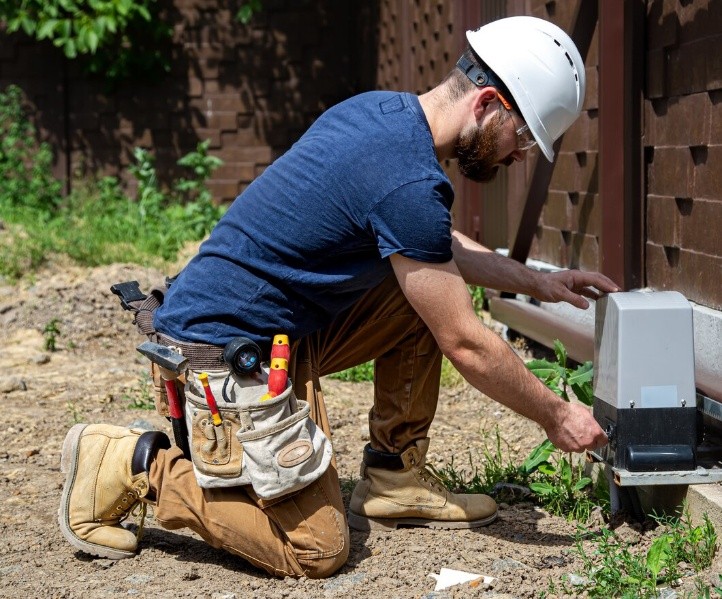
Handling tough dirt takes expert hands and smart tools. If shifting ground causes sudden leaks in your yard, our crew is ready to save the day. We fix deep leaks fast and build tough setups that stand up to moving ground. Contact The Sprinkler Repair Company today to book your job or get a quick estimate for water pipe leak repair in Pomona and nearby spots!
Frequently Asked Questions
Q. Why does heavy clay break sprinkler lines?
Ans: Heavy clay expands dramatically when wet and shrinks tightly when dry. This constant shift exerts immense physical pressure on buried plastic lines. Over time, that relentless soil movement stresses pipe joints, causing them to crack or snap completely apart.
Q. How do I spot a broken underground line?
Ans: Look for soggy, overly soft mud patches across your lawn. You will likely notice weak water pressure at the spray heads. Visible water bubbling from the turf and unexpectedly high utility bills also signal a underground leak needs repair.
Q. Do tree roots break lines in rocky ground?
Ans: Yes, thirsty tree roots naturally seek out damp soil. As they wrap tightly around buried lines, they expand. In rocky soil, these growing roots force plastic pipes directly against sharp, hard stones until the line eventually cracks under pressure.
Q. What pipe material works best in shifting dirt?
Ans: Thick, schedule-40 PVC works well when installed properly. Combining standard lines with flexible swing joints near spray heads offers the best defense. These flex hoses bend when the dirt shifts, keeping your main lines from snapping apart unexpectedly.
Q. How deep should my lawn lines sit underground?
Ans: You ought to bury lawn lines roughly eight to twelve inches deep. Placing pipes at this specific depth protects your system from sharp lawn aeration tools, heavy foot traffic, surface frost, and normal topsoil movement during seasonal changes.
‹ Back
Recent Posts
-
Which Soil Conditions Make Sprinkler Pipe Repair in Chino So Common?
October 23, 2026
-
-
-
-